Split vs Whole Elk Antler for Dogs: Which One Is Right for Your Dog?

Split vs Whole Elk Antler for Dogs: Which One Is Right for Your Dog?

You found elk antlers. Your dog is about to be very happy. Now you're staring at two options - split or whole - and the product descriptions aren't exactly clarifying things.

Here's the straight answer: the difference isn't about size or breed. It's about how your dog chews.

Split elk antler is cut lengthwise to expose the inner marrow. Whole elk antler keeps the outer cortex intact. One gets dogs engaged fast. The other lasts longer. Which one your dog needs depends on a single question: how intense is your pup when they get hold of something they love?

This guide gives you the clear framework to pick the right one - and explains exactly when to switch.


What's Actually Different Between Split and Whole Elk Antler

Both start as the same thing: naturally shed Grade A elk antler. No animal is harmed to produce them. The difference is in how they're cut - and what that does to the chewing experience.

Split elk antler is cut in half lengthwise. That cut exposes the inner marrow - the soft, nutrient-dense core that smells incredible to dogs. The outer cortex is still present on one side, but your dog's primary target is that exposed marrow.

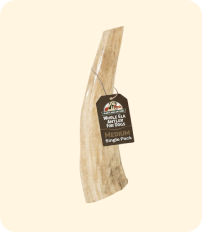
Whole elk antler leaves the antler section completely intact. The outer cortex - the hard, dense bone layer - surrounds the marrow on all sides. Dogs can access a small amount of marrow from the ends, but the main event is working through that outer shell.

That structural difference drives everything: engagement speed, durability, and which dog it's right for.


Split vs Whole Elk Antler: Side-by-Side

Split Elk Antler Whole Elk Antler
Hardness Medium (outer cortex on one side) Hard (full outer cortex intact)
Marrow access Immediate - fully exposed Gradual - accessible from ends only
Best for First-timers, moderate chewers Established chewers, power chewers
Durability Days to weeks Weeks to months
Engagement level High from the start - scent draws dogs in fast Builds over time as they work through the cortex
Price/value Good value for lighter chewers Best value for dogs who would burn through split quickly


Split Elk Antler - Who It's For and What to Expect

Split elk antler is the right starting point for most dogs.

The exposed marrow is the reason. When your dog gets near a split antler, they smell it before they even see it. That scent kicks in their instinct to chew. There's no "breaking in" period, no convincing required. Most dogs engage immediately.

For first-time antler owners, that immediate buy-in matters. Dogs who ignored a whole antler the first time around often go straight to work on a split.

Split elk antler is the right pick if your dog:

  • Has never chewed an antler before
  • Is a light-to-moderate chewer (they chew consistently but don't demolish things)
  • Is a puppy over 6 months old or a senior dog with softer chewing
  • Has been reluctant to engage with chews in the past
  • Weighs under 50 lbs with average chewing intensity

The one thing to know: power chewers will consume the exposed marrow quickly. Once the marrow is gone, the remaining cortex may not hold their interest the same way. If your dog blows through a split antler in a day or two, that's a signal - they're ready for whole elk.

Split antlers from Heartland are naturally shed, Grade A, and cut clean. No splintering. The marrow stays intact right up until your dog gets to it.

Shop split elk antler chews →


Whole Elk Antler - Who It's For and What to Expect

Whole elk antler is built for dogs who mean business.

The outer cortex is the challenge. It's dense, hard, and takes real jaw strength to work through. That's exactly what power chewers need - something that pushes back. For these dogs, a split antler is gone too fast. Whole elk gives them a sustained session that keeps them occupied for weeks, sometimes months.

Here's what to expect at the start: whole elk takes longer to grab a dog's attention. There's no exposed marrow surface blasting scent into the room. Your dog will have to work the ends first, accessing the small marrow opening there. Once they taste it, most dogs lock in. Give it a few sessions before judging engagement.

Whole elk antler is the right pick if your dog:

  • Already chews antlers and works through them quickly
  • Is an established power chewer or aggressive chewer
  • Weighs 50+ lbs with above-average chewing intensity
  • Gets bored or destroys most chews within a few days
  • Has strong jaw muscles (Labradors, German Shepherds, Pit Bulls, Rottweilers)

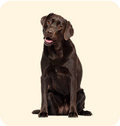
A 60-lb Labrador who decimates squeaky toys in ten minutes? Whole elk. A 40-lb mixed breed who enjoys a leisurely chew session? Split elk is probably perfect.

Whole elk antlers from Heartland are full sections of naturally shed antler - no additives, no chemicals, no splintering. Long-lasting, durable, and the right challenge for dogs who need one.

Shop whole elk antler chews →


The Decision Guide: Which One Does Your Dog Need?

The question isn't "what size is my dog?" It's "how does my dog chew?"

First-timer or occasional chewer → Split elk antler

Your dog hasn't had antlers before, or they've shown low interest in hard chews. Split elk gets them engaged with no ramp-up. The exposed marrow does the selling.

Established chewer who enjoys antlers → Whole elk antler

Your dog loves antlers and you want the chew to last longer. Whole elk is the natural next level. They'll know what antlers are - the new challenge is working the cortex.

Power chewer who destroys everything → Whole elk, or step up to deer antler

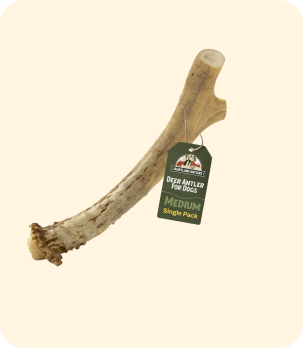
If your dog goes through whole elk chews in a week or less, deer antler is the answer. It's the hardest naturally shed option - denser cortex, longer sessions, built specifically for the dog that makes every other chew disappear.

Shop deer antler chews →

One note: chewing intensity isn't always predictable from breed. A 30-lb moderate chewer is better served by split elk than a 60-lb aggressive chewer who should be on whole elk. Read your dog, not the breed profile.


Can Your Dog Switch Between Split and Whole Elk Antler?

Yes - and it's a natural progression many dogs go through.

Split elk → Whole elk is the most common path. Your dog starts on split, builds the chewing habit, gets comfortable with antler as their go-to chew. When they start working through the split antler faster than you'd like, that's the signal. Move them to whole elk.

The transition is easy because whole elk still has marrow accessible at the ends. The taste and scent they learned to love is still there. They just have to earn the rest.

You can also go the other direction. If your dog gets a whole elk antler and shows zero interest after a few sessions, switch to split. The exposed marrow will re-engage them. After a week or two of enthusiasm, try whole again.

When to upgrade:

  • Dog finishes a split antler in under 3 - 4 days → try whole elk
  • Dog finishes whole elk in under a week consistently → try deer antler
  • Dog is a new chewer struggling with whole elk → drop to split elk

There's no failure in switching. The point is keeping your dog engaged with something durable and safe - not locking them into the "right" option on the first try.


Size Still Matters - Matching Your Dog's Weight to the Right Antler

Getting the type right is the first decision. Getting the size right is the second.

An antler that's too small is a choking risk. An antler that's too large may be hard for a smaller dog to work with. The rule: the antler should always be longer than your dog's muzzle.

General weight guide:

  • Small - under 25 lbs
  • Medium - 25 - 50 lbs
  • Large - 50 - 80 lbs
  • X-Large - 80+ lbs

When in doubt, size up. A slightly oversized antler is always safer than one that could be swallowed.

For split elk, diameter matters too. Thinner splits are easier for smaller dogs to grip and chew comfortably. Heartland's size guide walks you through the specific dimensions by weight.

See the full antler size guide →


Frequently Asked Questions

Are split elk antlers better than whole elk antlers for dogs?

Neither is objectively better - they serve different dogs. Split elk antler exposes the marrow, making it immediately appealing and easier to access. It's right for first-timers and moderate chewers. Whole elk antler keeps the outer cortex intact for a longer, harder challenge - better for established chewers and power chewers. The right pick depends on chewing intensity, not dog size.

How long does a split elk antler last compared to a whole elk antler?

For a moderate chewer, a split elk antler typically lasts days to a couple of weeks. A whole elk antler for the same dog can last several weeks to months because the outer cortex is harder to work through. For power chewers, split antlers can disappear in a matter of days - which is why whole elk, or even deer antler, is a better fit.

Is split elk antler safe for dogs?

Yes. Split elk antlers are naturally shed Grade A antler - no splintering, no chemicals, no artificial additives. Because the marrow is pre-exposed, your dog doesn't need to apply as much pressure to access it. Always supervise any chew session and replace the antler when it wears down to a size that could pose a choking hazard.

Which elk antler is best for aggressive chewers?

For aggressive chewers, whole elk antler is the right starting point. The intact outer cortex provides a sustained challenge. If your dog works through whole elk in under a week consistently, step up to deer antler - the hardest naturally shed option and the one built specifically for power chewers.

My dog isn't interested in the elk antler - what should I do?

Switch to split elk. The exposed marrow releases scent that draws most dogs in immediately. You can also rub a small amount of broth on the cut end to spark initial interest. Once your dog is reliably engaged, you can transition to whole elk to extend the chewing time.

Can a dog switch from split elk antler to whole elk antler?

Yes - and it's a natural progression. Start on split elk, build the chewing habit, then move to whole elk once they're comfortable. The whole elk will have some marrow accessible at the ends, so the scent and taste they love is still there. They just have to work harder for the rest of it.

What size elk antler should I get for my dog?

Size by weight: Small (under 25 lbs), Medium (25 - 50 lbs), Large (50 - 80 lbs), X-Large (80+ lbs). The antler should always be longer than your dog's muzzle. When in doubt, size up - a larger antler is safer than one that's too small.


The Bottom Line

Split elk antler or whole elk antler - the right answer comes down to one thing: how your dog chews.

First-timer or moderate chewer? Start with split elk. The exposed marrow gets them in the game fast, and it's the right challenge level for dogs who aren't power chewers.

Power chewer or established antler fan? Go whole elk. The outer cortex gives them the sustained session they need. It's durable, long-lasting, and built for dogs who make everything else disappear.

Not sure where your dog falls? Start with split elk. You'll know within a few sessions whether to stay or step up.

Heartland Antlers carries both - naturally shed, Grade A, no splintering, and sized for your dog's weight. We're a veteran-owned small business, and getting the right match for your pup is the whole point.

Shop split elk antler (first-timers and moderate chewers) →

Shop whole elk antler (established chewers and power chewers) →

Back to blog