
Quick answer: A split elk antler is still hard, and a Boston Terrier's short muzzle does not make that cut a safe default. Ask your veterinarian about teeth, breathing history and suitable activities before choosing a chew. A product label cannot assess the individual dog.
When shopping for a Boston Terrier, shape can seem like the deciding factor. A flatter piece may look easier to approach, but appearance is not evidence that it protects teeth or improves breathing. Treat those as separate questions and use the guide below to prepare a useful discussion.
A split exposes the interior and leaves a hard edge
Splitting an antler changes access to the inner surface. Hard material remains around it. AAHA warns that hard antlers can damage teeth. A cut, Grade A label or species name does not resolve that concern.
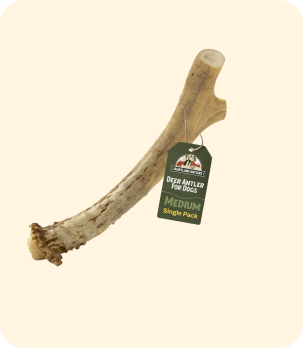
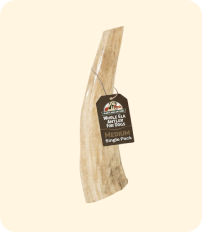
Our split versus whole guide shows the structural difference. Treat it as product information. There is no evidence here that exposed marrow makes breathing easier, treats dental crowding or prevents a fracture in a short-muzzled dog.

Ask about mouth fit, teeth and breathing history
Boston Terriers are a short-muzzled, or brachycephalic, breed. VCA explains that airway differences can affect breathing. Tell the veterinarian about noisy breathing while awake, tiring with activity, gagging or prior airway treatment. Individual signs matter more than a breed-based shopping rule.
Discuss dental history separately. Previous fractures, pain or dental treatment can change the advice. For a dental-care goal, ask about brushing and specific products on the VOHC accepted-products list. Check the listed product and instructions; the list does not imply acceptance of Heartland antlers.
For catalog sizing, use current weight and actual dimensions. Heartland's Small range is 5 to 25 lb and Medium is 25 to 45 lb. A blanket Small-to-Medium rule based only on a Boston Terrier label is not precise enough. Read the size guide and current product information. These ranges describe labels, not a veterinary recommendation to use antlers.

Choose calm, supervised activities
Discuss suitable food puzzles, scent games or brief training sessions as alternatives. Set up an activity where you can see the dog and remove damaged equipment. Follow the item's instructions and use food rewards within the dog's daily allowance.
Let the dog's response guide the session. An ignored item does not need to be made more attractive with a harder chew or a new coating. Try another suitable activity instead. Our enrichment guide provides options to discuss.
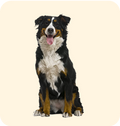
VCA notes that heat and exertion can worsen signs in dogs with airway syndrome. Keep activity within the limits your veterinarian sets. A calm scene in an illustration is an example of a setting, not proof that a particular activity suits every Boston Terrier.

Breathing difficulty needs prompt help
If breathing becomes difficult, stop the activity and contact emergency veterinary care. Collapse, blue or gray gums, or marked trouble breathing require urgent help. Do not treat these signs as a normal feature of the breed or wait to see whether a different chew fixes them.
For tooth damage or a change in eating, stop hard chews and contact the dog's veterinarian. Cornell explains that fractured teeth can cause pain and infection. Avoid probing a sore mouth or testing it with another item.

Separate product questions from health questions
Heartland support can clarify the product's cut, dimensions and pack contents. Your veterinarian should assess the dog's suitability. Keep the product label and a note of the dog's behavior available so each question goes to the right person.
Frequently asked questions
Is split elk the best antler for a Boston Terrier?
There is no safe default based on breed. A split leaves hard material and does not establish dental or breathing safety. Get advice for the individual dog before choosing a chew.
Does a split antler help a short-muzzled dog breathe?
There is no evidence here for that claim. A different cut does not treat an airway problem. Discuss noisy or difficult breathing with a veterinarian.
What should I do if my Boston Terrier struggles to breathe during an activity?
Stop the activity and contact emergency veterinary care. Marked breathing difficulty, collapse or blue or gray gums require urgent help.