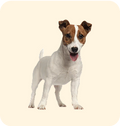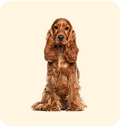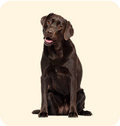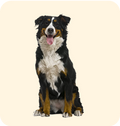
The rule for antler chews in a multi-dog home is short: one correctly sized antler per dog, and dogs chew apart, not side by side. Give each dog its own Grade A antler in a separate crate, room, or corner. Supervise the first sessions. The antler is the highest-value thing in the house, so it draws the most guarding. Feed the chews out while the dogs are separated, pick them up between sessions, and never reach in to pull a chew from a dog that has gone stiff and still.
Two dogs. One good chew on the floor. You already know how that ends. A working-breed pair, a Lab and a rescue mix, even two easygoing dogs who share everything else, will draw a line over a high-value chew. That is not a character flaw in your dog. It is instinct doing exactly what it evolved to do. This is a household management problem, and it has a clean, repeatable solution.
Why do dogs fight over antler chews?
A chew fight is a resource problem, not a personality problem. Trainers who work these cases point out that guarding gets worse as a resource gets scarce. Two dogs and one antler on the floor is the exact setup that starts a fight, because now the chew is worth defending.
An antler makes it sharper for one reason: value. An antler lasts weeks, not minutes, and your dog knows it. A Grade A elk antler is the longest-working, highest-value chew in most homes, which is the whole point of buying one. That same value is what a second dog wants to take, and what the first dog will lock down over. The better the chew, the higher the stakes.
Understanding why your dog does this is the first tool you have. If you want the deeper version of the instinct at work, read our piece on the psychology of chewing and your dog's needs. The short version: chewing is a job, and a good chew is territory.
What are the signs of resource guarding between dogs?
Guarding runs on a ladder of signals, and behaviorists describe it the same way every time. The dog gives a warning long before it bites. Your job is to read the bottom of the ladder so you never reach the top.
Watch for these, roughly in order of escalation:
- Faster chewing when the other dog moves closer. The dog speeds up to bank the resource.
- Freezing. The dog goes rigid over the antler, muscles locked, chewing stops. Sudden stillness is a decision point.
- Whale eye. The head turns slightly away but the eyes stay fixed on the other dog, showing a crescent of white.
- Body blocking. The dog hovers over the chew, drops a shoulder, or curls the body around it.
- Low growl, then a lifted lip, bared teeth, or an air snap.
- Lunging or biting. The top of the ladder. By here, every earlier signal was ignored.
The freeze and the whale eye are the two you cannot miss. Per trainer and veterinary-behaviorist guidance, if you learn to catch those, you can step in at the bottom of the ladder and calmly separate the dogs before anything happens. A dog that growls is not being bad. It is telling you the truth. Punishing the growl only teaches the dog to skip the warning next time.
Should you separate the dogs or supervise them?
Both, in that order. Separate first, supervise always, at least until you have run enough clean sessions to trust the pair.
Behaviorists and vets who handle guarding cases give the same first instruction: manage the environment before you train anything. Change the setup so the fight cannot happen, then decide whether training is even needed. For most homes, management is the whole answer.
Practical version:
- Give each dog a separate station. Crates work best. Closed doors, a baby gate, or opposite corners of a large room work too. The dogs should not be able to reach each other or the other dog's antler.
- Hand out the antlers while the dogs are already apart, not by tossing two chews into a shared space and hoping.
- Stay in the room for the first sessions. Supervision is how you catch the freeze early and how you learn each dog's tolerance.
- Pick the antlers up when the session ends. A chew left on the floor is an open invitation for the next standoff. Store them between sessions so they stay dry and keep their value. Here is how to store antler chews between sessions.
Crated, separated chewing is not a punishment. Most dogs settle faster with a chew when they know no one is coming to take it. Quiet dog, quiet house.
How many antlers do you need for two dogs?
One antler per dog, minimum. Never one antler for two dogs. Sharing a single high-value chew is the fastest way to a fight, and it is the mistake most new multi-dog owners make.
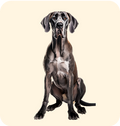
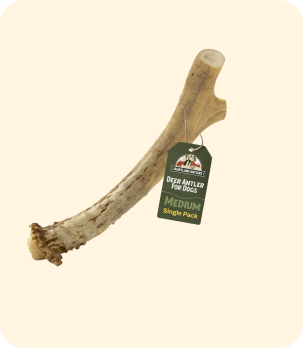
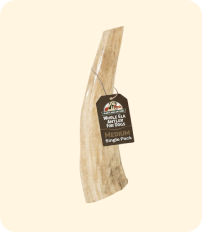
Size each antler to the dog, not to the pair. A Great Dane and a Beagle in the same house need different chews, because fit is matched to the individual jaw, not split down the middle. Our field guide to antler fit walks the sizing by dog. Getting the size right per dog also keeps the session safer and the chew lasting longer.
A useful setup for a two-dog home:
- One correctly sized antler for each dog, assigned to that dog and no other.
- A spare per dog for rotation, so you can pull a chew that is worn down and swap in a fresh one without a gap.
- Labeled or tracked by dog if your dogs are close in size, so you are not handing the wrong chew to the wrong mouth.
Assigning a specific antler to a specific dog does more than prevent fights. It keeps sizing correct and makes it easy to watch how fast each dog goes through a chew.
How to give chews to two dogs without a fight
Once the dogs are separated and each has the right antler, the only real risk left is the handoff and the pickup. When you do need to move a chew between dogs, or take one back, trade. Do not grab.
The supervised trade protocol behaviorists teach:
- Never physically pull a chew from a stiff or growling dog. Forcing it teaches the dog to guard harder, or to swallow a dangerous piece rather than lose it.
- Create distance first. Call the dog away from the antler with something clearly better, a piece of chicken or a different chew, so the dog moves toward you by choice.
- Trade up. Offer equal or higher value so the dog learns that giving something up makes something better show up. Over many reps, the dog stops guarding because your approach predicts a win.
- Add the cue last. Once the dog reliably drops and comes to you, attach a word like "drop" or "trade." The cue comes after the behavior is solid, not before.
- Work the drop during calm, non-chew times too, with low-value items, so the skill is built before you ever need it over an antler.
Run trades one dog at a time, out of sight of the other dog. Reading two sets of body language at once while managing a high-value chew is hard, and it is where handlers get bitten. If you are just getting the antlers into the rotation, our guide on introducing an antler chew covers the first-session basics for each dog on its own.
When should you get professional help?
Management handles most multi-dog chew tension. Some cases need a professional, and the line is clear.
Per veterinary-behaviorist and trainer guidance, bring in a credentialed pro if:
- A dog has snapped, bitten, or broken skin over a chew or any resource.
- The guarding is escalating in intensity or spreading to new items, spots, or rooms.
- There are children in the home and any level of guarding is present.
- The dogs guard from each other, which means someone has to read two dogs and manage the space at once.
The right person is a board-certified veterinary behaviorist (a DACVB, a vet with behavior specialty training) or a Certified Applied Animal Behaviorist (a CAAB). Dog-to-dog guarding in particular is worth handing to a pro, because the spatial dynamics and double body-language reading are genuinely difficult to run alone. A structured class with oversight can teach both dogs to coexist around resources in a controlled setting.
Getting help early is not failure. It is the same instinct that made you buy a chew that actually holds up instead of another bag of confetti.
Stop the standoff. Give each dog its own.
A multi-dog home does not have to mean a chew fight. One sized antler per dog, separate stations, supervised sessions, and a trade instead of a grab. That is the whole system, and it holds up. A Grade A elk antler gives each dog a long-lasting job, which is exactly what settles a busy house. Match one to each dog and stop refereeing the floor. Shop elk antlers and pick one per dog.
Frequently Asked Questions
Can two dogs share one antler chew?
No. Two dogs and one antler is the setup that starts a fight, because a scarce high-value chew is worth guarding. Give each dog its own correctly sized antler and let them chew in separate spots.
My two dogs get along fine. Do I still need to separate them for chews?
Yes, at least at first. Dogs that share everything else will still draw a line over a high-value chew like an antler. Separate stations and supervision cost you nothing and prevent the one fight that damages the relationship. Loosen up only after many clean sessions, and stay watchful.
What do I do if one dog freezes or growls over its antler?
Stop and read it as information, not defiance. Do not reach in to grab the chew. Create distance, call the dog away with something better, and separate the dogs. Punishing a growl teaches the dog to skip the warning and go straight to a snap next time.
Should I take the antler away when the dogs are done?
Yes. Pick the antlers up at the end of each session so a chew left on the floor cannot restart a standoff. Storing them also keeps the antlers dry and holds their value for the next session.
Do calmer or anxious dogs guard less?
Not necessarily. Guarding is about the value of the resource, not the dog's baseline temperament, and an anxious dog may guard harder. Chewing itself can help a nervous dog settle, which is a separate topic covered in our guide on antler chews and dog anxiety. Manage the environment either way.
Is it safe to leave two dogs alone with antlers in separate crates?
Only after you have supervised enough sessions to know each dog chews calmly and the crates fully separate them. Until then, stay in the room. For general chew-safety practice, see our honest answer on whether antler chews are safe for dogs.