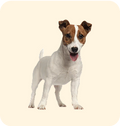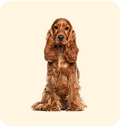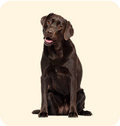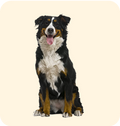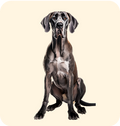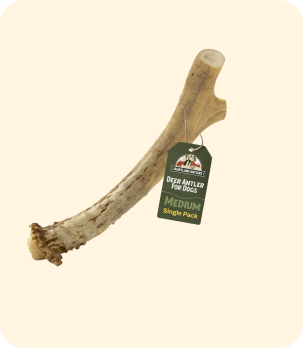


Food searches, simple puzzles, hand targets, sniff walks, and calm handling can add variety without a hard chew. Choose an activity that fits your dog's health, movement, food needs, and interests. Start with an easy version and watch how your dog responds.
Enrichment gives a dog useful opportunities to explore and interact. A long, difficult session is not the goal. The ASPCA describes scent games and food puzzles as options for home enrichment. Its guidance also stresses supervision and selecting activities for the individual dog. Source: ASPCA, Canine DIY Enrichment.
The five activities below are starting points. A dog with pain, restricted movement, food allergies, or a prescribed diet may need a different setup. Ask your vet about those limits before changing the routine.
1. Try a simple food search
Place a few pieces from the dog's usual meal on a clean, open mat or in an easy-to-see area. Let the dog approach and find them. Begin with visible food before hiding anything. You can gradually spread the pieces farther apart if the dog remains interested.
Keep the search area free of small objects that could be swallowed. Use food that already suits the dog's diet, and account for it in the day's feeding plan. Separate dogs if food access causes tension.
Watch the whole activity. A relaxed search, with pauses to sniff and move, gives you different information from frantic pawing or attempts to eat the mat. Make the setup easier or stop if the dog becomes frustrated. For a dog that tends to ingest fabric, choose a clear floor area instead of a fabric search surface.

2. Offer an easy food puzzle
Use a puzzle designed for dogs, with a suitable size and clear use instructions. Start with accessible food. A toy that requires several hidden steps may be too difficult for a first attempt.
AAHA includes food-based enrichment and simple games among its indoor activity ideas. The practical lesson is to match the challenge to the dog, then adjust it as you observe the response. Source: AAHA, Boredom Busters: Indoor Enrichment for Dogs.
Check the puzzle before and after each session. Remove damaged parts and stop use if the dog tries to swallow components. A toy sold for enrichment still requires observation. For material and inspection questions, read our antler chews and rubber toys comparison.
Record what made the activity work: the opening size, food access, location, or level of help. That is more useful than judging the toy only by how long it occupied the dog.

3. Practice a gentle hand target
Offer an open hand a short distance from the dog's nose. When the dog chooses to touch it gently, mark the action with a consistent word and give a suitable reward. Move your hand away and offer another easy opportunity.
Keep your hand still at first. Avoid pushing it into the dog's face or holding the dog in place. The activity should allow the dog to approach and leave. A few successful repetitions can be enough for an introduction.
You can use this small skill as a shared activity in a quiet room. It also gives you a simple way to observe attention and comfort. If the dog turns away, repeatedly licks its lips, or loses interest, pause and make the next attempt easier. Seek qualified training help if handling or proximity causes fear.

4. Add a sniff walk and calm handling
Activity four is a slower sniff walk. On a suitable leash and route, allow time to investigate safe areas rather than maintaining a fixed walking pace. Follow local access rules and avoid plants, waste, or objects the dog might eat. Adapt the route to the dog's mobility and the weather.
A dog can explore a familiar route in a different way when given time to sniff. You do not need to cover a large distance to offer variety. If you encounter a shed antler, use the approach in our found antlers guide.
Activity five is calm handling practice. In a quiet place, pair a brief, gentle touch to an area the dog already accepts, such as the shoulder, with a suitable reward. Pause and let the dog choose whether to remain. Keep the exercise short and voluntary.
This is practice for comfortable interaction. It is not a way to restrain a fearful dog or examine a painful area. Ask your vet or a qualified behavior professional for help if the dog shows discomfort.

Frequently asked questions
Do I need to buy equipment for all five activities?
No. A simple food search, a hand target, and a suitable sniff walk can begin with items or routines you already have. Use purpose-made equipment where the activity calls for it.
Can enrichment replace exercise or veterinary care?
No. It is one part of a dog's routine. Movement, rest, appropriate feeding, and health care still matter.
Should I make the activity harder every time?
Increase difficulty only when the dog is comfortable and successful. Repeating an easy activity can still offer a useful experience.
Does every dog need a hard chew for enrichment?
No. These activities offer other ways to explore, solve simple problems, and interact. Choose suitable options for the individual dog.
Image note: These AI-generated scenes illustrate activity ideas. They do not show clinical results or establish that a particular setup suits every dog.