Quick Answer: Rawhide is a processed leather byproduct, bleached, flavored, and not food-grade by origin. Grade A elk antler is one ingredient: shed elk antler, cut and packed, nothing added. For power chewers, the structural difference matters most: rawhide softens under sustained chewing and can be swallowed in large pieces that do not dissolve. Antler does not soften, it wears as fine calcium phosphate powder. For ingredient transparency and durability, antler wins for working breeds and high-drive dogs.

| Feature | Grade A Elk Antler | Rawhide |
|---|---|---|
| Ingredient | Shed elk antler, one ingredient | Cattle hide byproduct (tanning split) |
| Processing | Cut, inspected, packed. No chemicals | Lime, bleach/hydrogen peroxide wash, flavoring agents |
| Lasts (power chewer) | 3-6 weeks of daily sessions | 20-45 minutes before soft, disposable mass |
| Grade available | Grade A (cortex-sorted, density-verified) | No grading system |
| Cost per session | Under $1/day at $18-$28/month | $1-$3 per session consumed |
| Safety | Fine calcium phosphate powder as it wears | Softens and swells; large pieces do not dissolve in stomach acid |
| Best for | Power chewers, daily long-duration chewing | Supervised short sessions, slow gentle chewers |
Rawhide is made from the hide of cattle, treated with lime, bleach, and hydrogen peroxide to remove hair and soften the leather. None of those processing chemicals are disclosed on the label. Grade A elk antler is one ingredient: elk antler, shed naturally, cut, and packed. That is the core distinction, and it matters before any other comparison begins.
If your dog is a power chewer, there is a second distinction that matters as much: rawhide softens under chewing pressure and can be swallowed in large soft pieces. Antler does not soften. It abrades as fine bone mineral powder. For working breeds and high-drive dogs, antler is the right call on both ingredient transparency and structural safety.
Most owners pick up rawhide because the dog likes it and the price is low. This article is for the ones who eventually flip the bag over and start asking questions.
Customers switching from rawhide to antler consistently describe the same first concern: they are worried their dog will not accept something harder. After working with owners through this transition, we've found acceptance is almost always immediate. The antler's scent profile drives engagement within the first session in most cases. What changes is what comes after: the rawhide session is over in minutes, and the antler session is still running weeks later.
Antler vs Rawhide: What Owners Who Switched Tell Us
After working with power chewer owners who switched from rawhide to Grade A elk antler, the most common report is this: they did not realize how often they were buying rawhide until they stopped. One Grade A antler covering four to six weeks of daily sessions replaces two to three bags of rawhide that were gone in days.
What Rawhide Is
Rawhide starts as cattle hide. During leather tanning, processors split the hide into two layers. The outer layer goes to the leather industry. The inner layer, called the hide split, goes to the pet chew market.
That inner split is not food-grade material. It is a tanning byproduct. To convert it into something that looks like a chew, processors wash it to remove remaining hair and tissue. Most commercial rawhide is then treated with hydrogen peroxide or chlorine bleach to achieve the pale, clean appearance on store shelves. Some products use additional whitening agents.
After bleaching, the hide is shaped and dried. Flavoring agents, chicken flavor, beef flavor, smoke flavor, are applied to make dogs want it. The ingredient list on many rawhide products includes artificial flavorings, preservatives, and additives that exist to extend shelf life or improve palatability. Some bags list only "beef hide." Others list three or four additional ingredients. Both products may look identical on the shelf.
The raw material was never intended for consumption. The processing makes it shelf-stable and palatable. Those are two separate goals, and the chemistry that achieves them is what you are reading on the label.
What a Grade A Elk Antler Is
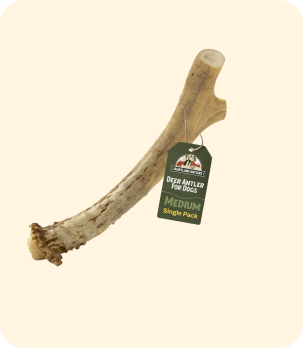
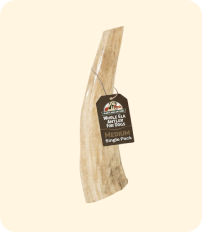
Elk shed their antlers naturally every spring. Shed hunters walk the range in late spring and collect them from the ground. No elk is harmed and no animal is slaughtered. The antler is a one-ingredient object.
From collection, antlers are sorted by density and structural integrity. Grade A designates antlers with a naturally dense outer cortex, the hard outer wall that makes the chew durable and low-splinter risk. Antlers with fracture points, porous cross-sections, or compromised cortex are graded lower or culled. Grade A antlers are also hand-sized, meaning each piece is matched to an appropriate weight range before it ships.
No chemical bath. No bleaching step. No flavoring agents. The antler is cut, inspected, and packed. The ingredient list is one line: elk antler.
For a full breakdown of what Grade A means and why density is the number that matters, see: What Grade A Means and Why It Matters.
The Choking and Digestion Comparison
Rawhide softens when it gets wet. A dog working a rawhide piece for 20 to 30 minutes produces a soft, pliable mass. Large pieces of softened rawhide can separate and be swallowed whole. Swallowed rawhide does not dissolve in stomach acid the way food does. It can swell further in the digestive tract. Gastrointestinal blockages from rawhide are documented in veterinary literature, with some requiring surgical intervention.
Antler does not soften. It does not swell. It does not break into large soft chunks. Your dog wears it down incrementally as fine calcium phosphate powder, the same mineral matrix the antler is made of. The material your dog swallows is fine particulate, not a wedge of compressed hide.
Rawhide absorbs significant moisture during a chewing session, which is what produces the soft, pliable mass that a power chewer can separate and swallow whole. That structural property is what makes rawhide a risk for fast, hard-chewing dogs. Antler's mineral composition does not change under wet contact.
The structural difference is simple: rawhide changes form under chewing pressure and can be swallowed whole. Antler does not change form. It only wears down.
Where Rawhide Still Has a Place
Rawhide is not a fraud. It is a real chew with a real application.
Some dogs respond well to the softening texture. Dogs with dental sensitivities or recovering from dental work may do better on something that yields under pressure. Small supervised pieces reduce the obstruction risk significantly. Some owners use thin rawhide strips as high-value training rewards in short sessions.
If you use rawhide, the variables that reduce risk are: small pieces, supervision throughout, and disposal before the piece becomes a soft mass. None of that requires a different product. It requires attention.
The Label Test
Pick up your rawhide bag and read the ingredient panel. If it lists anything beyond "beef hide", any flavoring agent, any preservative, any chemical with an E number or "sodium" in the name, you are looking at what was added during and after processing.
Now read the label on a Grade A elk antler. One line. Elk antler.
That is the transparency argument. Not that rawhide kills dogs. Not that antler is perfect for every situation. The argument is: when you read the label, you know exactly what you are giving your dog. With rawhide, the label tells you what processing produced. With antler, the label tells you what the antler is.
Which Chew for Which Dog
Rawhide may make sense when:
- You need a supervised, short-duration chew for a dog with dental tenderness
- You are using thin strips as training rewards in brief sessions
- Your dog is a slow, gentle chewer who stays engaged without breaking pieces off
- You are present for the entire session and can dispose of the piece before it softens
Antler is the better fit when:
- Your dog is a power chewer who destroys softer chews in under an hour
- You want a chew your dog can work on without producing swallowable chunks
- You want one ingredient and a transparent supply chain
- You need duration, weeks or months, not minutes
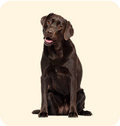
- Your dog is a German Shepherd, Malinois, Pit Bull, Lab, or any breed that chews through standard chews fast
The choice is about matching the chew to the dog and the situation, not about which product is morally correct.
For the Full Safety Case on Antler
If you want to understand when antler is safe, when it is not, and what supervision actually looks like, the complete breakdown is here: Are Antlers Safe? The Full Answer.
For size selection by breed and jaw type, the fit guide is here: Find the Right Fit for Your Dog.
For the cost-per-session comparison between antler and bully sticks, which are a common rawhide alternative: Antler vs. Bully Stick: The Cost Case.
Find the Right Fit
If your dog chews hard and chews long, antler is built for that. Size matters more than anything else in this decision.
Find the Right Fit for Your Dog covers size selection by breed, chew intensity, and jaw strength.
Ready to order? Shop Grade A elk antler.
Frequently Asked Questions
Are antlers safer than rawhide for dogs?
For power chewers, antler is the safer option. Antler does not soften under chewing pressure and does not produce large swallowable pieces. Rawhide softens and can separate into chunks that may cause gastrointestinal blockages, since swallowed rawhide does not dissolve in stomach acid. For unsupervised chewing or dogs that chew fast and hard, antler presents significantly lower obstruction risk.
What is rawhide actually made of?
Rawhide is made from the inner layer of cattle hide, a byproduct of leather tanning. It is washed, then typically treated with hydrogen peroxide or chlorine bleach to whiten it, shaped, and dried. Flavoring agents and preservatives are added to most commercial products. It is not a food ingredient by origin. It becomes a pet chew through industrial processing.
Can rawhide cause blockages in dogs?
Yes. Rawhide softens significantly when wet from chewing. Swallowed pieces do not dissolve in stomach acid and can swell further in the digestive tract. Veterinary literature documents gastrointestinal blockages from rawhide, including cases requiring surgery. Risk is higher with large pieces, unsupervised chewing, and dogs who swallow rather than chew through material.
Do antlers last longer than rawhide?
For power chewers, the difference is significant. A rawhide rolled chew lasts 20 to 45 minutes before a serious chewer produces a soft, disposable mass. A Grade A elk antler sized to the dog lasts weeks to months under daily use. The density of Grade A antler cortex produces that duration without additives or compressed layers.
What is the best rawhide alternative for a power chewer?
Grade A elk antler is the most direct rawhide alternative for dogs that destroy softer chews. It provides duration, one ingredient, and no swelling risk. Size the antler to the dog: a piece correctly sized gives your dog a job that lasts weeks. A piece too small creates a choking hazard. Find the Right Fit for Your Dog covers the sizing decision.
Frequently Asked Questions
Are antlers safer than rawhide for dogs?
For power chewers, antler is the safer option. Antler does not soften under chewing pressure and does not produce large swallowable pieces. Rawhide softens and can separate into chunks that may cause gastrointestinal blockages, since swallowed rawhide does not dissolve in stomach acid. For unsupervised chewing or dogs that chew fast and hard, antler presents significantly lower obstruction risk.
What is rawhide actually made of?
Rawhide is made from the inner layer of cattle hide, a byproduct of leather tanning. It is washed, then typically treated with hydrogen peroxide or chlorine bleach to whiten it, shaped, and dried. Flavoring agents and preservatives are added to most commercial products. It is not a food ingredient by origin. It becomes a pet chew through industrial processing.
Can rawhide cause blockages in dogs?
Yes. Rawhide softens significantly when wet from chewing. Swallowed pieces do not dissolve in stomach acid and can swell further in the digestive tract. Veterinary literature documents gastrointestinal blockages from rawhide, including cases requiring surgery. Risk is higher with large pieces, unsupervised chewing, and dogs who swallow rather than chew through material.
Do antlers last longer than rawhide?
For power chewers, the difference is significant. A rawhide rolled chew lasts 20 to 45 minutes before a serious chewer produces a soft, disposable mass. A Grade A elk antler sized to the dog lasts weeks to months under daily use. The density of Grade A antler cortex produces that duration without additives or compressed layers.
What is the best rawhide alternative for a power chewer?
Grade A elk antler is the most direct rawhide alternative for dogs that destroy softer chews. It provides duration, one ingredient, and no swelling risk. Size the antler to the dog: a piece correctly sized gives your dog a job that lasts weeks. A piece too small creates a choking hazard.