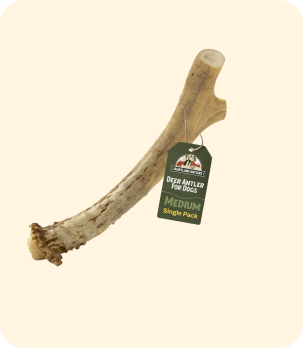
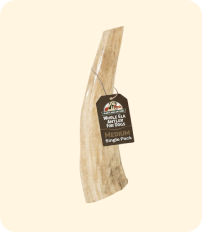


Compare wholesale antler chews by species, cut, size, piece count, sourcing information, and current order terms. A low unit price is only one input. The stock also needs clear shelf information and a practical way for staff to answer product questions.
This checklist helps an independent pet retailer prepare an order. It does not quote a minimum order, wholesale discount, margin, or delivery promise. Confirm those details directly through the supplier's current wholesale channel.
Heartland Antlers has a direct wholesale page on Faire. For a product or account question, use the Heartland contact page and identify the specific item or proposed assortment.
1. Define the shelf before choosing the order
Start with the questions customers ask in your store. Record the dog size ranges, product formats, and pack quantities they seek. Treat this as an assortment decision, rather than ordering an equal number of every item by default.
Separate species and cut in your stock plan. Whole deer, whole elk, and split elk are different product descriptions. A name such as “medium antler” leaves out information staff need when comparing items.
Heartland's current retail range includes whole deer, whole elk, and split elk. Use the all-sizes collection to identify products, then confirm which items and quantities are available through the wholesale channel. A retail listing alone does not establish wholesale availability or case contents.
| Stock-plan field | What to record |
|---|---|
| Species | Deer or elk |
| Cut | Whole or split |
| Size | Current supplier label and guidance |
| Retail pack count | Pieces in one sellable pack |
| Wholesale order unit | Packs, pieces, or cases, as confirmed |
| Shelf information | Label and customer-use guidance needed |
Keep retail pack count separate from a wholesale case count. For help with that distinction, read the multipack comparison guide.

2. Request product details and current terms
Ask for written information that can travel from the purchasing desk to the shop floor. Useful details include source region, species, processing description, dimensions or natural-variation range, pack count, and use guidance.
Heartland describes its antlers as naturally shed and sourced in the USA. That is the brand's sourcing statement. It does not establish that a hard antler suits every dog or supports a dental treatment claim. Our shed antler cycle guide explains the sourcing term.
Request current commercial terms separately. Record the quoted order minimum, payment terms, shipping basis, expected dispatch window, damage-report process, and returns conditions. Save the dated quote or platform terms with the order.
Do not build a margin plan from an unconfirmed suggested price or an old promotion. Use your actual buying cost and current selling plan, including charges that apply to the order. A supplier's discount percentage cannot establish the final margin by itself.

3. Make the shelf information easy to use
Group stock so that customers can distinguish species, cut, and size without opening several packages. Keep current supplier guidance available to staff. Check that any shelf card agrees with the actual item and pack quantity.
Size names can differ between brands. If the store carries more than one supplier, staff should read each product's range rather than transfer the meaning of “Small” from one line to another. Our size label guide gives a comparison method.
Keep claims specific. “Naturally shed” describes sourcing. “Whole” and “split” describe format. None of those statements establishes universal safety or a verified dental benefit. For dental-claim questions, use the dental product evidence guide.
Give staff a clear escalation path. Product quantity, source, and delivery questions go to the supplier. Questions about a particular dog's teeth or medical suitability belong with that dog's vet. Staff can explain the label without making a medical recommendation.

4. Check each delivery and record what changes
Count the delivery against the purchase order. Compare the received species, cut, sizes, and packs with the confirmed order units. Photograph any concern before moving the items into regular stock.
Inspect condition as well as quantity. Set aside items with unexpected damage or a mismatch while the supplier reviews the issue. Use the supplier's stated reporting route and deadlines. Do not assume a return rule from a different marketplace or an earlier order still applies.
Keep a brief receiving record: order date, item, expected quantity, received quantity, concern, photograph, and resolution. This makes a later stock question easier to trace.
After the first selling period, review what customers actually asked and which stock moved. Use those store observations for the next order. This guide does not supply a sales forecast, stock-turn benchmark, or promised reorder rate.

Frequently asked questions
Where can a retailer ask about Heartland wholesale orders?
Use Heartland's direct Faire page or contact Heartland with the proposed items and order details. Confirm the current terms through that channel.
Is a retail two-pack the same as a wholesale case?
No. A retail pack and a wholesale order unit can differ. Ask how many sellable packs and individual pieces are in the quoted unit.
Can I use one size chart for all antler brands?
Use each supplier's current guidance. A shared size name does not establish the same dimensions or recommended range.
Does this checklist provide a wholesale price or margin promise?
No. Those depend on the actual quote, charges, order conditions, and retail selling price. Record the inputs before calculating a margin.
Image note: These AI-generated scenes illustrate retail planning and receiving. They do not depict actual Heartland wholesale packaging, case contents, or a specific retail partner.