
A single-ingredient antler is not a test of whether a dog will tolerate it. “Natural,” “no added flavor” and a grade label cannot establish that a chew is allergy-safe. If your dog has suspected allergies or is on a veterinary diet trial, ask the treating veterinarian before introducing an antler or another chew.
Read beyond the front label
Check the full ingredient list, any added flavor or coating, and the seller's handling information. Keep the package and order details. A short ingredient list can make a product easier to describe, but it does not diagnose an allergy or guarantee an individual response.
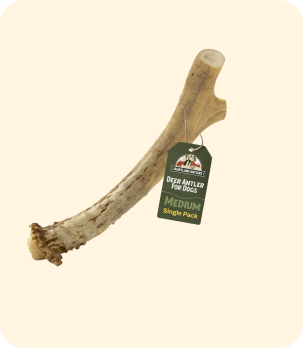
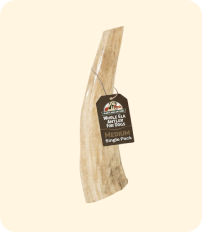
Heartland's product range includes whole deer, whole elk and split elk antlers. Check the specific listing and ask our team about information needed by your veterinarian. This guide does not claim clinical testing that establishes Heartland antlers as hypoallergenic.

Follow the veterinary diet-trial plan
A diet trial is a controlled process used to assess a possible food reaction. The VCA guide to elimination-challenge trials explains that extra treats, chews and flavored items can interfere with the result. Ask which items are permitted under your dog's specific plan.
Do not add an antler because it seems different from food, or switch products repeatedly to test a reaction yourself. Follow the clinic's instructions for foods, treats, medicines and other flavored items. An alternative activity, such as supervised training with permitted rewards, may fit the plan better.

Report symptoms and recent changes
Tell the veterinarian about itching, ear or skin changes, vomiting, diarrhea and anything recently introduced. These signs can have different causes. A symptom that follows a chew session is useful information, but timing alone does not identify the cause. VCA's food-allergy guide describes the need for clinical assessment.
- Record when the product was introduced and when symptoms started.
- List other foods, treats, medicines and environmental changes.
- Keep the exact product name, ingredients and order details.
- Note any missing or swallowed piece.
Stop a newly introduced chew if the dog develops symptoms and contact the veterinarian. Breathing trouble, collapse or rapid facial swelling warrants urgent veterinary attention. If a fragment may have been swallowed, call now. Our digestive-upset guide gives more information to report.

Consider dental risk separately from tolerance
A dog that has no observed allergy symptoms can still damage a tooth on a hard antler. Whole and split forms retain hard material. A cut, grade or ingredient claim cannot establish dental safety.
Heartland does not recommend antlers for puppies with developing teeth, dogs with worn or damaged teeth, prior fractures, or forceful biting. Read the hard-chew risk guide and discuss suitable alternatives with the veterinarian who knows your dog. Product tolerance and tooth safety are separate questions.

Frequently asked questions
Are antler chews hypoallergenic?
A single ingredient or natural-origin claim does not establish that an antler is hypoallergenic for your dog. This guide does not provide clinical evidence for that claim.
Can my dog have an antler during a diet trial?
Ask the veterinarian managing the trial before adding any chew. Extra items can interfere with the plan and its interpretation.
Does diarrhea after chewing prove an allergy?
No. Timing alone does not establish the cause. Stop the chew and discuss the symptoms, product and any swallowed pieces with your veterinarian.