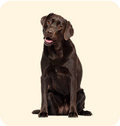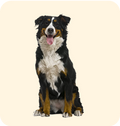

Rawhide has been in pet stores since the 1950s. Dogs love it. It's cheap, widely available, and keeps most dogs busy for a while. If you've been giving it to your dog without problems, you're probably not imagining things - for plenty of dogs, rawhide passes through life uneventfully.
So why are more dog owners second-guessing it?
The honest answer: rawhide is not dangerous for every dog. But for a specific type of dog - the power chewer who bites aggressively and swallows large pieces - it presents genuine risks that most packaging doesn't mention. And what most people don't know about how rawhide is made makes those risks harder to brush off.
Here's the straight story, without the alarm bells.

What Rawhide Actually Is (The Processing Most People Don't Know About)
Most dog owners assume rawhide is just dried animal hide. It's not that simple.
Rawhide is made from the inner layer of cattle or horse hides - byproducts of the meat and leather industries. The outer layer goes to leather goods. The soft inner layer gets processed into the chews you see in pet stores.
That processing involves more chemistry than most people realize.
First, hides are treated with a sodium sulphide liming solution or ash-lye to remove hair, fat, and tissue. Then the inner layer is washed and whitened - commonly using hydrogen peroxide, bleach, or a combination of both. Some manufacturers use formaldehyde as a preservative. Artificial dyes and flavoring agents are added to many products.
The degree of chemical treatment varies significantly by manufacturer and country of origin. Some rawhide products - particularly imported ones - have been tested and shown trace levels of heavy metals, including lead and arsenic. Not all rawhide is equally processed, and the labeling rarely tells you which approach was used.
None of this means your dog will get sick from chewing rawhide. Most of the chemical residue washes out or dissipates during processing. But it does mean rawhide is not the "all-natural dried hide" it appears to be on store shelves - and for safety-conscious owners who read ingredient labels carefully, that matters.
The Real Risks of Rawhide - and Which Dogs Are Most at Risk
There are three legitimate concerns with rawhide, and they're not equally serious for all dogs.
1. Choking and intestinal blockage
This is the big one. Rawhide doesn't digest. Dogs lack the enzymes to break it down the way they would actual food. When a dog chews rawhide down to a smaller piece, that piece often gets swallowed whole.
Here's what happens next: rawhide swells significantly when wet. A piece that seemed small in the mouth can expand in the esophagus, stomach, or intestinal tract. If it gets lodged, you're looking at a veterinary emergency - possibly requiring endoscopy or abdominal surgery.
This risk is real but unevenly distributed. Gentle chewers who work rawhide slowly for hours and gnaw it into nothing present far lower risk. Power chewers who bite through a rawhide in minutes and swallow large intact chunks are at dramatically higher risk.
2. Bacterial contamination
Rawhide can carry Salmonella or E. coli - a risk to both dogs and humans who handle the chews. This is a manufacturing and storage issue, not a universal feature of rawhide, but it's worth knowing. The FDA has issued recalls on rawhide products for this reason.
3. Chemical exposure
As covered above, the processing agents used on rawhide are not particularly natural. Whether trace levels cause harm over years of regular feeding is genuinely not well-studied. It's a concern rather than a proven harm - but it's one more reason why owners who prioritize clean, chemical-free feeding are moving away from rawhide.
The Power Chewer Problem
If your dog is a power chewer - the kind who can work through a standard rawhide bone in under 30 minutes - this section is specifically for you.
Power chewers are where the choking and blockage risk becomes most real. These dogs don't chew rawhide; they destroy it. They bite off large pieces, swallow them with minimal chewing, and move on. The rawhide never gets ground down into safe small bits the way it does with a gentler chewer.
A few things make this especially risky:
- Rawhide gets soft and slippery as it's chewed. That makes it easier for a large piece to slip past the throat before a dog can reconsider swallowing it.
- Rawhide expands in moisture. A piece that's small enough to swallow dry can become a blockage problem once it absorbs stomach fluid.
- Power chewers have jaw strength that can break rawhide into irregular, sharp-edged pieces. Unlike a neatly chewed small piece, a bitten-off chunk can have jagged edges.
Supervision helps - but with an aggressive chewer, large pieces disappear before you can react. The fix isn't closer supervision. It's finding a chew that doesn't present the same swallowing risk in the first place.

Rawhide Alternatives - An Honest Comparison
There's no single "best" alternative that works for every dog. Here's how the main options actually stack up:
| Chew | Digestible? | Chemical-Free? | Lasts Long? | Power Chewer Rating | Notes |
|---|---|---|---|---|---|
| Rawhide | No | No | Medium | Low | Blockage risk; chemical processing |
| Bully Sticks | Yes | Yes | Low - Medium | Fair | Consumed fast; can smell; safe |
| Yak Chews | Partially | Yes | Medium | Fair | Harder than bully sticks; consumed faster than antlers |
| Nylabones | No | Yes (synthetic) | High | Good | Not edible; synthetic material |
| Antler Chews | Partially | Yes | High - Very High | Excellent | Not consumed in pieces; calcium/phosphorus benefits |
Bully sticks are a solid rawhide upgrade. Fully digestible, no chemicals, dogs love them. The downsides: they can be consumed in one sitting by a power chewer, they have a noticeable smell, and the cost adds up fast if your dog goes through them quickly.
Yak chews are trendy for good reason - hard, relatively clean, no strong smell. They hold up better than bully sticks but still get consumed over time. A determined aggressive chewer can work through a yak chew in a few sessions.
Nylabones solve the durability problem but introduce a different one: they're synthetic plastic-based material. Long-lasting, yes. But not everyone is comfortable with a dog gnawing plastic for hours, especially if small bits are ingested.
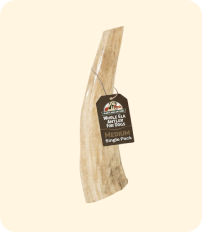
Antler chews - elk or deer - are in their own category for power chewers. They don't get consumed in chunks. A dog works the surface of an antler progressively, scraping off small amounts rather than biting off large pieces. This is why they last weeks or months where bully sticks last minutes.
Why Antler Chews Are the Best Rawhide Alternative for Power Chewers
This isn't true for every dog. But for aggressive chewers specifically, antlers solve the exact problems rawhide creates.
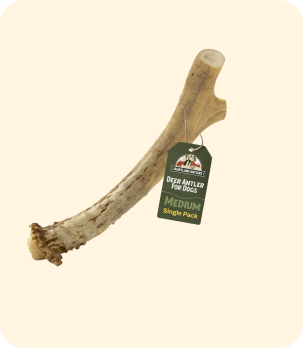
No chemical processing. Heartland Antlers are naturally shed elk and deer antlers - they fall off the animal annually and are collected from the wild. No sodium sulphide. No bleach. No preservatives. What your dog is chewing is exactly what it looks like: a dense, mineral-rich antler.
No large swallowable chunks. Unlike rawhide, antlers don't soften and break into pieces. Dogs work the surface progressively. The small amounts they do consume - calcium and phosphorus from the antler material - digest without issue.
No splintering. This is a common concern people raise about bone chews generally. Antlers don't splinter the way cooked bones do. They're dense and wear down gradually rather than shattering.
Actually long-lasting for power chewers. Grade A elk and deer antlers selected for density can last a confirmed power chewer weeks to months. That changes the economics entirely - one antler replaces dozens of bully sticks or rawhide bones.
Mess-free, odor-free. No smell, no staining, no wet residue on your couch or carpet.
The one honest caveat: antlers are hard. Very hard. Matching the right antler type and size to your dog's weight and chewing intensity matters. Split elk antlers (which have the marrow exposed) are softer and more accessible - a good starting point for dogs new to antler chews, or for moderate chewers. Whole deer antlers are denser and better suited to confirmed power chewers who need the real challenge.

How to Make the Switch from Rawhide to Antlers
The transition is simple, but a few things help:
Start with split elk if your dog has never had antlers. The exposed marrow is more immediately appealing - it gives your dog something to work toward right away. Split antlers are also slightly softer than whole deer antlers, which makes the introduction smoother.
Size matters. An antler that's too small is a choking risk; one that's too large is a workout your dog might ignore. Match antler size to your dog's weight. Heartland's size guide takes the guesswork out.
Supervise the first few sessions. Not because antlers are dangerous, but so you can confirm your dog is engaging with it appropriately. Most dogs figure it out within a session or two.
Give it time. Some dogs accustomed to the softness of rawhide need a few days to discover that an antler is worth their effort. Keep it accessible and let curiosity do the work.
Once they're on, most power chewers don't look back.
Frequently Asked Questions
Is rawhide bad for all dogs?
No. For gentle chewers who work rawhide slowly, the risks are low. The real concern is power chewers who bite off and swallow large chunks - that's when choking and intestinal blockage become genuine emergencies. If your dog has always chewed rawhide slowly without incident, the risk is different than for a dog who destroys one in 20 minutes.
What chemicals are in rawhide?
Rawhide is not simply dried hide. During processing, hides are typically treated with sodium sulphide or an ash-lye solution to strip hair and fat. They're then whitened with hydrogen peroxide, bleach, or both. Some products use formaldehyde as a preservative. The extent of chemical use varies by manufacturer and country of origin - and most packaging doesn't specify which process was used.
What happens if a dog swallows rawhide?
Small, well-chewed pieces usually pass through without issue. The danger is a large chunk swallowed whole - rawhide swells significantly when wet, meaning a piece that seemed manageable can expand in the esophagus or stomach and cause a blockage. Signs of a blockage: vomiting, lethargy, hunched posture, refusing to eat. This is a veterinary emergency that may require surgery.
Are antler chews safer than rawhide?
For power chewers specifically, yes. Antlers don't soften, splinter, or break off in large swallowable chunks the way rawhide does. They're also chemical-free - no processing agents, no bleach, no preservatives. The main risk with antlers is picking the wrong size or hardness for your dog, which is why matching antler type to your dog's weight and chewing intensity matters. See Heartland's size guide and the "are antler chews safe for dogs" post for the full picture.
What is the best rawhide alternative for aggressive chewers?
Antler chews - elk or deer - are the best rawhide alternative specifically for power chewers. They last far longer than bully sticks or yak chews, contain no chemicals, and don't break into large swallowable pieces. For first-timers, split elk antlers are a gentler starting point. For confirmed power chewers, deer antlers offer maximum density and durability.
Can I give my dog rawhide if I supervise them?
Supervision reduces the risk but doesn't eliminate it. If your dog is a gentle chewer who works rawhide slowly, supervised sessions are lower-risk. If your dog breaks off large pieces quickly, supervision alone isn't enough - the chunk is already swallowed before you can react. For power chewers, the smarter move is a chew that doesn't present the same chunk-swallowing risk to begin with.
The Bottom Line
Rawhide isn't a villain for every dog. Gentle chewers who've eaten rawhide for years without issue are probably fine. But for power chewers - dogs who chew aggressively and consume large pieces fast - the risks are real and specific: chemical processing that most owners don't know about, a genuine intestinal blockage risk from swallowed chunks, and a track record that's made a lot of vets recommend against it.
If you've been questioning rawhide and your dog is a confirmed power chewer, the answer is clear. Antler chews - naturally shed, Grade A, no chemicals, no splintering - were built for exactly this situation.
Shop Heartland Antlers - the rawhide alternative that actually lasts for power chewers.
New to antler chews? Start here: Split elk antlers are the gentler introduction - exposed marrow, slightly softer, and a great first step away from rawhide.
Internal links included:
- Are Antler Chews Safe for Dogs? - safety post
- Size Guide - dog weight to antler size matching
- Deer Antler Collection - for power chewer recommendation
- Split Elk Collection - for first-time antler buyers
- Full Antler Collection - main CTA